




ไม้ตีคาฮอง Meinl Cajon Brush เป็นอุปกรณ์ที่น่าสนใจสำหรับคนที่เล่นคาฮองอยู่แล้ว และอยากลองเปลี่ยนบุคลิกเสียงโดยไม่ต้องซื้อเครื่องดนตรีเพิ่ม เพราะแค่เปลี่ยนจากการใช้มือมาเป็นแปรงไนลอน เสียงที่ได้ก็มีความแตกต่าง ทั้งเสียงเบส เสียงตบ และรายละเอียดของจังหวะ
ปกติเวลาเล่นคาฮอง เราจะใช้ฝ่ามือตีบริเวณกลางหน้ากลองเพื่อให้ได้เสียงเบส และใช้ปลายนิ้วหรือฝ่ามือตีใกล้ขอบด้านบนเพื่อสร้างเสียง Slap แต่เมื่อเปลี่ยนมาใช้แปรง เส้นไนลอนจะสัมผัสกับหน้าคาฮองในลักษณะที่ต่างออกไป ทำให้เกิด Attack และเนื้อเสียงอีกแบบหนึ่ง
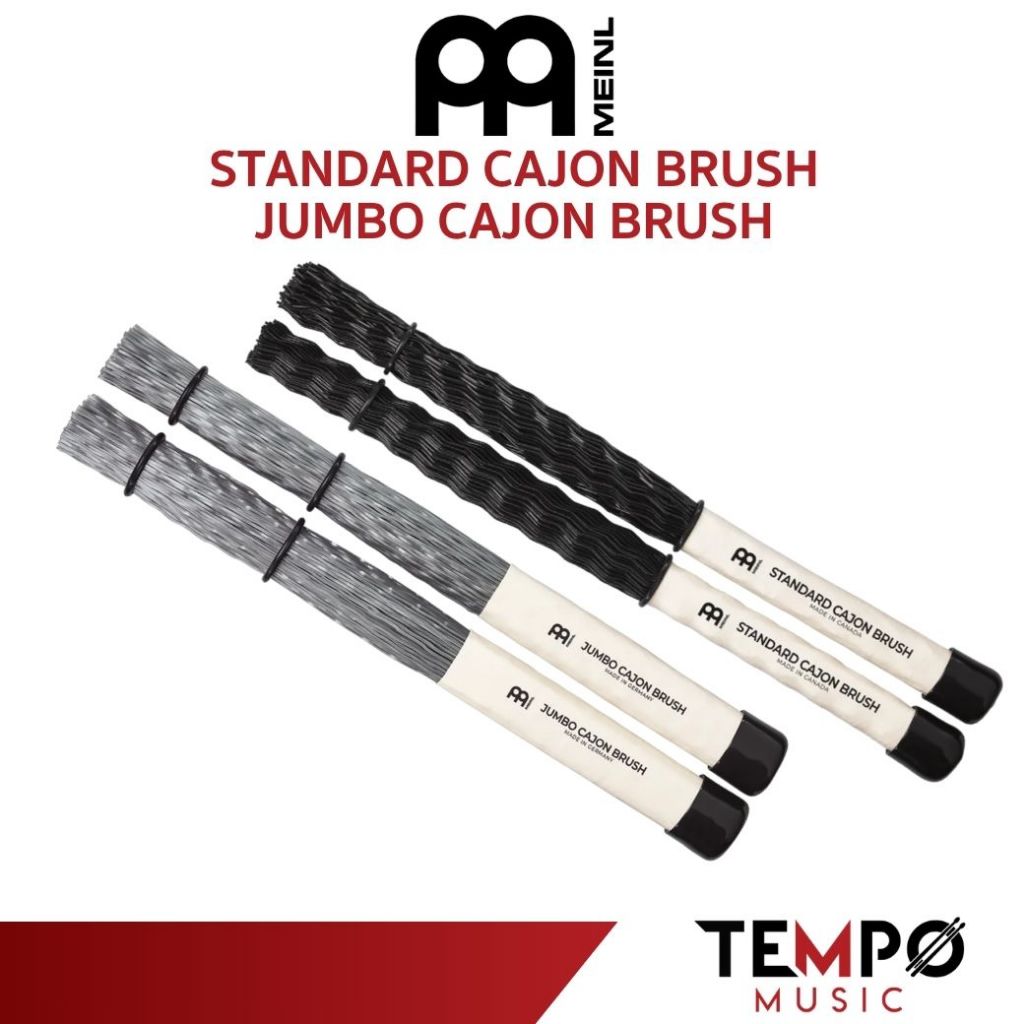
ไม้ตีคาฮอง Meinl Cajon Brush มีให้เลือก 2 รุ่น คือ Standard (SB305) และ Jumbo (SB306) ทั้งสองรุ่นใช้เส้นแปรงไนลอนที่ทนทาน และสามารถปรับความยืดหยุ่นของแปรงได้ แต่มีขนาดและบุคลิกเสียงที่ต่างกัน
รุ่น Standard เน้นความชัดของทั้งเสียงเบสและเสียงสูงที่คล้าย Slap ส่วน Jumbo เพิ่มปริมาณเส้นแปรงเพื่อให้ได้เสียงเบสที่ลึกและเต็มขึ้น
ถ้าคุณเล่น Acoustic, Pop หรือ Folk และอยากเพิ่มสีสันให้จังหวะคาฮอง โดยเฉพาะเพลงที่ต้องควบคุมเสียงให้กลมกลืนกับกีตาร์และเสียงร้อง อุปกรณ์สองรุ่นนี้เป็นทางเลือกที่ควรลอง
━━━━━━━━━━━━━━━━━━━━━━━━━━━━━━━━━━━━
ไม้ตีคาฮอง Meinl Cajon Brush ต่างจากการเล่นด้วยมืออย่างไร?
เสน่ห์ของคาฮองคือการสร้างเสียงกลองหลายลักษณะจากเครื่องดนตรีใบเดียว เราสามารถทำเสียงเบสคล้ายกระเดื่อง และเสียงตบที่ให้อารมณ์ใกล้เคียงกับสแนร์ โดยใช้เพียงมือและตำแหน่งการตี
แต่บางครั้งเราอาจอยากได้เสียงที่ต่างจากเดิม โดยเฉพาะเมื่อเล่นเพลง Acoustic ที่ไม่ต้องการเสียงกระแทกจากฝ่ามือชัดเกินไป หรืออยากเพิ่มลักษณะเสียงใหม่ ๆ ให้กับเพลง
แปรงไนลอนจะสัมผัสหน้าคาฮองด้วยเส้นแปรงหลายเส้นพร้อมกัน ทำให้ลักษณะการกระทบต่างจากการใช้ฝ่ามือหรือนิ้วโดยตรง
ลองนึกถึงการเล่นจังหวะพื้นฐานที่มีเสียงเบสในจังหวะ 1 และ 3 พร้อมเสียง Slap ในจังหวะ 2 และ 4
เมื่อเปลี่ยนมาใช้แปรง เราสามารถทดลองตีตรงกลางเพื่อสร้างเสียงต่ำ และขยับไปบริเวณขอบด้านบนเพื่อสร้างเสียงที่มี Attack ชัดขึ้นได้เช่นกัน
สิ่งที่น่าสนใจคือเสียงจะไม่ได้เหมือนการใช้มือทุกอย่าง แต่เป็นอีกบุคลิกหนึ่งที่นำไปใช้ร่วมกับการเล่นแบบเดิมได้
อย่างไรก็ตาม ไม่ควรเข้าใจว่าใช้แปรงแล้วเสียงจะเบาลงเสมอไป เพราะความดังขึ้นอยู่กับน้ำหนักการตี ตำแหน่งสัมผัส และคาฮองที่ใช้ด้วย
สำหรับผม เวลาพิจารณาอุปกรณ์แบบนี้ สิ่งสำคัญไม่ใช่ว่าแทนมือเปล่าได้หรือไม่ แต่คือมันช่วยให้เรามีทางเลือกของเสียงเพิ่มขึ้นมากแค่ไหน
━━━━━━━━━━━━━━━━━━━━━━━━━━━━━━━━━━━━
ไม้ตีคาฮอง Meinl Cajon Brush Standard SB305 เหมาะกับใคร?
ถ้ากำลังหาแปรงตีคาฮองสักรุ่นที่ใช้ได้หลากหลาย ผมมองว่า Standard เป็นตัวเลือกที่น่าเริ่มพิจารณา เพราะรุ่นนี้ออกแบบมาให้สร้างทั้งเสียงเบสต่ำและเสียงสูงที่ชัดเจนคล้ายการตี Slap
Standard SB305 มีเส้นผ่านศูนย์กลาง 22 มิลลิเมตร ความยาว 36.3 เซนติเมตร และจัดอยู่ในกลุ่มน้ำหนัก Medium-Heavy
ตัวแปรงใช้ไนลอนที่มีความยืดหยุ่น พร้อมระบบ Adjustable Flex ให้ผู้เล่นปรับลักษณะการตอบสนองของเส้นแปรงได้
ลองนึกถึงเวลาที่เล่นคาฮองประกอบกีตาร์โปร่งหนึ่งตัว เราต้องการเสียงเบสที่ช่วยเติมน้ำหนักให้เพลง แต่ขณะเดียวกันก็ต้องมีเสียงตบที่ทำให้คนฟังรู้สึกถึงจังหวะ 2 และ 4 อย่างชัดเจน
รุ่น Standard น่าสนใจตรงที่ไม่ได้เน้นเสียงเบสใหญ่ที่สุดเพียงอย่างเดียว แต่ให้ความสำคัญกับการแยกเสียงต่ำและเสียงสูงด้วย
สำหรับการเล่น Pop หรือ Acoustic ที่ต้องรักษา Groove ให้สม่ำเสมอ ความชัดเจนของสองเสียงนี้มีความสำคัญมาก
อีกจุดหนึ่งคือขนาดแปรงที่เล็กกว่า Jumbo ซึ่งอาจเหมาะกับคนที่ชอบความรู้สึกของแปรงขนาดไม่ใหญ่มาก
แต่ไม่ได้หมายความว่า Standard จะควบคุมง่ายกว่าสำหรับทุกคน เพราะแต่ละคนมีวิธีจับและลงน้ำหนักต่างกัน
ถ้าคุณชอบจังหวะที่มีเสียงเบสสลับกับ Slap ชัด ๆ และยังไม่แน่ใจว่าควรเริ่มจากรุ่นไหน Standard เป็นตัวเลือกที่มีเหตุผลครับ
━━━━━━━━━━━━━━━━━━━━━━━━━━━━━━━━━━━━
ไม้ตีคาฮอง Meinl Cajon Brush Jumbo SB306 ให้เสียงต่างกันอย่างไร?
ถ้าเคยใช้แปรงคาฮองแล้วรู้สึกว่าเสียงเบสยังไม่เต็มอย่างที่ต้องการ รุ่น Jumbo เป็นอีกตัวเลือกที่น่าสนใจ
Jumbo SB306 มีเส้นผ่านศูนย์กลาง 28.5 มิลลิเมตร ใหญ่กว่า Standard ที่มีขนาด 22 มิลลิเมตร และจัดอยู่ในกลุ่มน้ำหนัก Heavy
ความต่างสำคัญไม่ได้มีเพียงขนาดภายนอก แต่ Jumbo ยังมีปริมาณเส้นแปรงไนลอนมากกว่า ซึ่งเป็นส่วนหนึ่งของการออกแบบให้เสียงเบสลึกและเต็มขึ้น
ลองนึกถึงวง Acoustic ที่มีนักร้อง กีตาร์โปร่ง และคาฮอง หากเราต้องการให้คาฮองทำหน้าที่เติมย่านเสียงต่ำมากขึ้น โดยไม่จำเป็นต้องเพิ่มเครื่อง Percussion อีกชิ้น Jumbo ก็เป็นรุ่นที่ควรพิจารณา
เมื่อใช้ตีบริเวณกลางหน้าคาฮอง การสัมผัสจากเส้นแปรงที่มากขึ้นสามารถสร้างเสียงที่มีเนื้อเสียงต่ำแตกต่างจาก Standard ได้
อย่างไรก็ตาม Jumbo ไม่ได้หมายความว่าจะต้องให้เสียงดังกว่า Standard ทุกครั้ง เพราะความดังจริงยังขึ้นอยู่กับแรงตีและตัวเครื่อง
อีกเรื่องที่อยากให้คิดก่อนซื้อคือขนาดของแปรงที่ใหญ่ขึ้นอาจให้ความรู้สึกในการจับและการควบคุมต่างจากรุ่น Standard
ถ้าชอบแปรงขนาดเล็กกว่า หรือให้ความสำคัญกับเสียง Slap ที่แยกออกมาคมชัด รุ่น Standard อาจยังเหมาะกว่า
แต่หากสิ่งที่ต้องการเป็นหลักคือเสียงเบสที่ลึกและเต็มขึ้น Jumbo เป็นรุ่นที่ตอบโจทย์ได้ตรงกว่า
━━━━━━━━━━━━━━━━━━━━━━━━━━━━━━━━━━━━
Adjustable Flex ช่วยให้ควบคุมการตอบสนองของแปรงอย่างไร?
อีกหนึ่งรายละเอียดที่ผมชอบในแนวคิดของแปรงคาฮองสองรุ่นนี้คือการปรับความยืดหยุ่นได้ เพราะเวลาเล่นดนตรีจริง เราไม่ได้ต้องการใช้เสียงลักษณะเดียวตลอดทั้งเพลง
บางท่อนต้องการจังหวะเบา ๆ บางท่อนต้องเพิ่มน้ำหนัก และบางครั้งก็อยากเปลี่ยน Attack ของเสียงให้เข้ากับอารมณ์เพลง
ระบบ Adjustable Flex ช่วยให้ปรับลักษณะความยืดหยุ่นของเส้นแปรงได้ จึงเพิ่มทางเลือกในการตอบสนองขณะตี
ถ้าเพิ่งเริ่มใช้ ผมแนะนำให้ลองเล่น Groove ง่าย ๆ ก่อน โดยตีเสียงเบสสลับกับเสียง Slap แล้วทดลองปรับความยืดหยุ่นทีละน้อย
จากนั้นฟังว่าเสียงที่ได้เปลี่ยนไปอย่างไร และรู้สึกว่าแปรงตอบสนองต่อการเคลื่อนไหวของมือได้ถนัดขึ้นหรือไม่
สิ่งสำคัญคืออย่าคิดว่าการปรับให้แปรงแข็งหรืออ่อนแบบใดแบบหนึ่งจะดีที่สุดเสมอ เพราะคาฮองแต่ละใบมีหน้ากลองและการตอบสนองต่างกัน
สำหรับการเล่น Acoustic บางเพลง เราอาจชอบเสียงที่นุ่มและกลมกลืน แต่ถ้าเป็นเพลงที่ต้องการจังหวะชัดขึ้น ก็อาจต้องปรับลักษณะการตีหรือการตอบสนองของแปรงใหม่
อุปกรณ์ที่ปรับได้จึงมีประโยชน์ตรงที่ช่วยให้ทดลองหาความรู้สึกและเสียงที่เข้ากับการเล่นของตัวเอง
━━━━━━━━━━━━━━━━━━━━━━━━━━━━━━━━━━━━
เลือกเสียงให้เข้ากับ Acoustic, Pop และ Folk
ถ้าถามว่าแปรงคาฮองเหมาะกับเพลงประเภทไหน ผมอยากให้มองเรื่องเสียงที่เพลงต้องการมากกว่าชื่อแนวดนตรี
เพลง Acoustic บางเพลงต้องการเพียงจังหวะนุ่ม ๆ เพื่อประคองเสียงร้อง ขณะที่บางเพลงต้องการเสียงเบสและ Slap ชัดเจน เพื่อให้คนฟังรู้สึกถึง Groove
การใช้แปรงไนลอนช่วยเพิ่มทางเลือกในการสร้างเสียงเหล่านี้ โดยไม่จำเป็นต้องเปลี่ยนเครื่องดนตรี
ตัวอย่างเช่น ถ้าเล่นเพลง Pop ที่ท่อน Verse ค่อนข้างเบา เราอาจใช้แรงตีไม่มากเพื่อให้เสียงคาฮองกลมกลืนกับเพลง
เมื่อถึง Chorus ก็เพิ่มน้ำหนักการตี หรือเปลี่ยนตำแหน่งเพื่อให้เสียงจังหวะชัดขึ้น
ส่วนเพลง Folk ที่เน้นความเป็นธรรมชาติของเสียงเครื่องดนตรี การใช้แปรงก็อาจช่วยสร้างเนื้อเสียง Percussion ที่ต่างจากการตบด้วยมือ
แต่มีข้อหนึ่งที่อยากให้เข้าใจคือ แปรงไม่ได้เหมาะกับทุกเทคนิคมากกว่าการใช้มือเปล่า
หากเพลงต้องการเสียง Slap ที่คมมาก หรือต้องใช้เทคนิคปลายนิ้วละเอียด ๆ การใช้มืออาจยังเป็นวิธีที่เหมาะกว่า
ดังนั้นไม่จำเป็นต้องเลือกว่าจะใช้แปรงหรือมืออย่างใดอย่างหนึ่งตลอดไป
สำหรับคนเล่นคาฮอง การรู้จักสร้างเสียงหลายแบบและเลือกใช้ให้เหมาะกับเพลงต่างหากที่สำคัญ
━━━━━━━━━━━━━━━━━━━━━━━━━━━━━━━━━━━━
เปรียบเทียบ Standard กับ Jumbo เลือกแบบไหนดี?
ถ้าจะให้เลือกง่าย ๆ ผมอยากให้เริ่มจากคำถามว่าเราอยากได้เสียงแบบไหน มากกว่าดูเพียงว่าแปรงรุ่นไหนใหญ่กว่า
Standard Cajon Brush (SB305)
เส้นผ่านศูนย์กลาง 22 มิลลิเมตร ยาว 36.3 เซนติเมตร และจัดอยู่ในกลุ่มน้ำหนัก Medium-Heavy
จุดเด่นคือการสร้างเสียงเบสต่ำพร้อมเสียงสูงที่ชัดเจนคล้าย Slap เหมาะกับคนที่ต้องการรักษาความแตกต่างของจังหวะเบสกับเสียงตบ
ถ้าเล่น Pop หรือ Acoustic ที่ต้องการ Groove มีรายละเอียดของเสียงต่ำและสูง รุ่น Standard น่าจะเป็นจุดเริ่มต้นที่เหมาะสม
Jumbo Cajon Brush (SB306)
เส้นผ่านศูนย์กลาง 28.5 มิลลิเมตร ยาว 36.3 เซนติเมตร และจัดอยู่ในกลุ่มน้ำหนัก Heavy
รุ่นนี้มีเส้นแปรงมากกว่า จึงเน้นเสียงเบสที่ลึกและเต็มขึ้น เหมาะกับผู้เล่นที่ต้องการให้คาฮองมีเนื้อเสียงย่านต่ำมากขึ้น
ทั้งสองรุ่นใช้ไนลอนที่ทนทาน และปรับความยืดหยุ่นของแปรงได้เหมือนกัน
หากยังไม่เคยใช้แปรงคาฮอง และต้องการทดลองทั้งเสียงเบสกับ Slap ผมแนะนำให้เริ่มพิจารณา Standard
แต่ถ้ารู้ตัวอยู่แล้วว่าชอบเสียงเบสใหญ่และต้องการเพิ่มเนื้อเสียงย่านต่ำ Jumbo ก็เป็นทางเลือกที่ตรงความต้องการกว่า
สามารถเลือกดู ไม้กลองและอุปกรณ์ตีรุ่นต่าง ๆ ที่ Tempo Music เพื่อเปรียบเทียบอุปกรณ์สำหรับสร้างเสียง Percussion แบบอื่นเพิ่มเติมได้
━━━━━━━━━━━━━━━━━━━━━━━━━━━━━━━━━━━━
ข้อมูลจำเพาะของไม้ตีคาฮองทั้งสองรุ่น
แบรนด์: Meinl Stick & Brush
ประเภท: Cajon Brush / ไม้ตีคาฮองแบบแปรงไนลอน
วัสดุ: Durable Nylon
คุณสมบัติ: Adjustable Flex และ Alternative Sounds
Standard Cajon Brush — SB305
- เส้นผ่านศูนย์กลาง: 22 มม. / 0.865 นิ้ว
- ความยาว: 36.3 ซม. / 14.29 นิ้ว
- ระดับน้ำหนัก: Medium-Heavy
- จุดเด่น: เสียงเบสต่ำพร้อมเสียงสูงที่ชัดเจนคล้าย Slap
Jumbo Cajon Brush — SB306
- เส้นผ่านศูนย์กลาง: 28.5 มม. / 1.12 นิ้ว
- ความยาว: 36.3 ซม. / 14.29 นิ้ว
- ระดับน้ำหนัก: Heavy
- จุดเด่น: ปริมาณเส้นแปรงมากกว่า เน้นเสียงเบสที่ลึกและเต็มขึ้น
━━━━━━━━━━━━━━━━━━━━━━━━━━━━━━━━━━━━
ถ้าจะสรุปให้เข้าใจง่าย Meinl Cajon Brush เป็นอุปกรณ์สำหรับคนที่อยากเพิ่มเสียงใหม่ ๆ ให้คาฮอง โดยไม่จำเป็นต้องเปลี่ยนเครื่องดนตรี
Standard เหมาะกับคนที่ต้องการเสียงเบสและ Slap ชัดเจน ส่วน Jumbo เหมาะกับคนที่อยากเน้นเสียงเบสให้ลึกและเต็มมากขึ้น
ทั้งสองรุ่นไม่ได้มีหน้าที่แทนการเล่นด้วยมือทั้งหมด แต่ช่วยเพิ่มทางเลือกในการสร้างเสียงและจัดวางจังหวะให้เข้ากับเพลง
สำหรับคนเล่นคาฮองที่เริ่มรู้สึกว่าอยากเพิ่มรายละเอียดให้ Groove หรืออยากทดลองสีสันเสียงแบบอื่น แปรงไนลอนเป็นอุปกรณ์ที่น่าสนใจ
เพราะการเล่น Percussion ที่ดีไม่ได้อยู่ที่การตีให้ดังที่สุด แต่อยู่ที่การเลือกเสียงให้เหมาะกับเพลง และรู้ว่าเมื่อไรควรเล่นมากหรือเล่นน้อย
โรงเรียนดนตรีที่จริงจัง ร้านขายที่จริงใจ TEMPO MUSIC
━━━━━━━━━━━━━━━━━━━━━━━━━━━━━━━━━━━━
The Meinl Cajon Brush Standard and Jumbo models are interesting options for percussionists who want to explore new sounds from their cajon without changing the instrument itself.
If you’ve been playing cajon with your hands for a while, you’re probably familiar with the contrast between a deep bass note in the center and a sharp slap near the upper corners.
But switching to a nylon brush can change the way those sounds respond.
Instead of using your palm or fingertips, the brush contacts the playing surface through multiple flexible nylon strands. This creates a different attack and tonal texture that can be useful in acoustic performances.
Meinl offers two models: the Standard Cajon Brush (SB305) and Jumbo Cajon Brush (SB306).
Both feature durable nylon construction and adjustable flexibility, but they offer different playing characteristics.
The Standard is designed to produce low bass tones along with crisp, slap-like highs. The Jumbo uses a larger amount of nylon strands to emphasize a deeper, fuller bass response.
━━━━━━━━━━━━━━━━━━━━━━━━━━━━━━━━━━━━
Why Use a Cajon Brush Instead of Playing with Your Hands?
One of the best things about a cajon is its versatility.
With your hands alone, you can create bass notes, slap sounds, accents, and subtle rhythmic variations.
For many songs, that’s everything you need.
However, brushes give you another way to approach the instrument.
The nylon strands contact the frontplate differently from your palms, changing the attack and texture of the sound.
Imagine playing a quiet acoustic performance with a singer and guitar.
You may want the cajon to support the groove without making every backbeat sound too sharp or aggressive.
A brush gives you another tonal option to explore.
You can still move between bass and slap positions, but the resulting sound has a different character.
Of course, brushes don’t automatically make every stroke quieter.
Volume and articulation still depend on your playing dynamics, the cajon’s construction, and where you strike the instrument.
The goal isn’t necessarily to replace hand technique. It’s to have more sounds available when the music calls for them.
━━━━━━━━━━━━━━━━━━━━━━━━━━━━━━━━━━━━
Standard Cajon Brush SB305 – Clear Bass and Slap Articulation
The Standard model is a sensible starting point if you’re looking for a versatile cajon brush.
It has a 22 mm diameter, measures 36.3 cm in length, and belongs to Meinl’s Medium-Heavy weight category.
Its design focuses on producing low bass tones while retaining crisp higher sounds that resemble traditional cajon slaps.
Think about playing a simple Pop groove with bass notes on beats one and three and backbeat accents on beats two and four.
The contrast between those two sounds helps define the rhythm.
With the Standard brush, you can explore that contrast while introducing a different contact sound from traditional hand playing.
This can be useful in acoustic arrangements where you want a clear groove but prefer the texture of nylon brushes.
The smaller diameter compared with the Jumbo may also appeal to players who prefer a more compact brush.
However, that doesn’t automatically make it easier to control.
Comfort still depends on your grip and playing technique.
If you’re buying your first cajon brush and want a balance of bass and slap articulation, the Standard is worth considering.
━━━━━━━━━━━━━━━━━━━━━━━━━━━━━━━━━━━━
Jumbo Cajon Brush SB306 – Deeper and Fuller Bass
The Jumbo model is designed for percussionists who want a more substantial bass character.
At 28.5 mm in diameter, it’s noticeably larger than the 22 mm Standard.
It also uses more nylon strands, which contribute to a deeper and fuller bass response.
Imagine performing with a small acoustic band consisting of vocals, guitar, and cajon.
If you want the cajon to provide a stronger sense of low-frequency weight, the Jumbo is an interesting option.
The increased amount of brush material changes the way the strands contact the playing surface, particularly when playing bass notes near the center.
However, bigger doesn’t automatically mean louder or better.
Some players may prefer the smaller Standard model, especially when they want a clear distinction between bass and slap-style accents.
The Jumbo also has a different physical feel because of its larger diameter.
If a fuller bass response is your main priority, the Jumbo is the more logical choice to explore.
━━━━━━━━━━━━━━━━━━━━━━━━━━━━━━━━━━━━
Adjustable Flex – Finding the Right Brush Response
Both models feature Adjustable Flex, allowing players to modify the flexibility of the nylon strands.
This is useful because different songs require different dynamic levels and playing responses.
In a soft verse, you may want a relaxed, rounded attack.
When the chorus arrives, you might increase your stroke intensity and aim for a more defined rhythmic sound.
Adjusting the brush flexibility gives you another way to explore these differences.
A good way to begin is by playing a simple groove at a comfortable volume.
Start with bass notes and slap-style accents, then adjust the brush and listen to how the response changes.
Pay attention not only to the sound but also to the way the brush moves in your hands.
There isn’t one perfect setting for every instrument.
Cajons vary in frontplate construction, internal snare design, and bass response.
The best setting is the one that feels comfortable and produces the sound you want.
━━━━━━━━━━━━━━━━━━━━━━━━━━━━━━━━━━━━
Acoustic, Pop, and Folk – Choosing Sounds for the Song
Cajon brushes can be useful across several musical styles, but the genre itself shouldn’t be the only reason for choosing them.
What matters more is the kind of percussion sound the arrangement needs.
For acoustic Pop, you may want the cajon to support vocals and guitar without drawing too much attention.
For Folk, a brush can introduce another natural-sounding rhythmic texture.
In a song with a quiet verse and energetic chorus, you can experiment with changing your stroke intensity or playing position to create contrast.
The Standard model is interesting when you want clearly defined bass and slap-style sounds.
The Jumbo is more suitable when your priority is a deeper and fuller low-frequency character.
However, there are still situations where traditional hand playing may be the better choice.
If a song needs highly defined fingertip slaps or particular hand techniques, a brush may not reproduce those sounds in the same way.
For percussionists, understanding when to use your hands and when to use brushes is part of developing a more expressive approach to the instrument.
━━━━━━━━━━━━━━━━━━━━━━━━━━━━━━━━━━━━
Standard vs. Jumbo – Which One Should You Choose?
The easiest way to choose between these models is to think about the sound you want rather than simply comparing their size.
Standard Cajon Brush — SB305
Diameter: 22 mm / 0.865 inches
Length: 36.3 cm / 14.29 inches
Material: Durable Nylon
Weight Classification: Medium-Heavy
Features: Adjustable Flex, Alternative Sounds
The Standard is designed to provide low bass tones and crisp highs that simulate slap sounds.
It’s a good option to consider if you want an all-around cajon brush for a variety of grooves.
Jumbo Cajon Brush — SB306
Diameter: 28.5 mm / 1.12 inches
Length: 36.3 cm / 14.29 inches
Material: Durable Nylon
Weight Classification: Heavy
Features: Adjustable Flex, Alternative Sounds
The Jumbo features a greater amount of nylon strands and is designed for a deeper, fuller bass response.
It’s worth considering if you want your cajon to produce a larger low-frequency character.
Both models have the same listed length and share the ability to adjust brush flexibility.
If you’re unsure where to start and want a balance between bass and slap articulation, the Standard is a practical choice.
If you already know that a deeper bass response is your priority, the Jumbo may suit your needs better.
━━━━━━━━━━━━━━━━━━━━━━━━━━━━━━━━━━━━
Product Specifications
Brand: Meinl Stick & Brush
Product Type: Cajon Brush
Available Models: Standard and Jumbo
Material: Durable Nylon
Features: Adjustable Flex, Alternative Sounds
Standard Cajon Brush
SKU: SB305
Diameter: 22 mm / 0.865 inches
Length: 36.3 cm / 14.29 inches
Weight Classification: Medium-Heavy
Main Character: Low bass tones and crisp slap-like highs
Jumbo Cajon Brush
SKU: SB306
Diameter: 28.5 mm / 1.12 inches
Length: 36.3 cm / 14.29 inches
Weight Classification: Heavy
Main Character: Deeper and fuller bass response
━━━━━━━━━━━━━━━━━━━━━━━━━━━━━━━━━━━━
The Meinl Cajon Brush Standard and Jumbo models give cajon players two different ways to expand their percussion sound.
The Standard focuses on a balance of bass and crisp slap-style articulation, while the Jumbo emphasizes a fuller, deeper bass character.
Neither is automatically better. The right choice depends on your cajon, your playing technique, and the sound your music needs.
Sometimes improving a performance isn’t about adding more notes. It’s about finding the right sound for the right moment.
Explore more drumsticks and percussion accessories at Tempo Music to discover other playing options.
━━━━━━━━━━━━━━━━━━━━━━━━━━━━━━━━━━━━

รีวิว
ยังไม่มีบทวิจารณ์